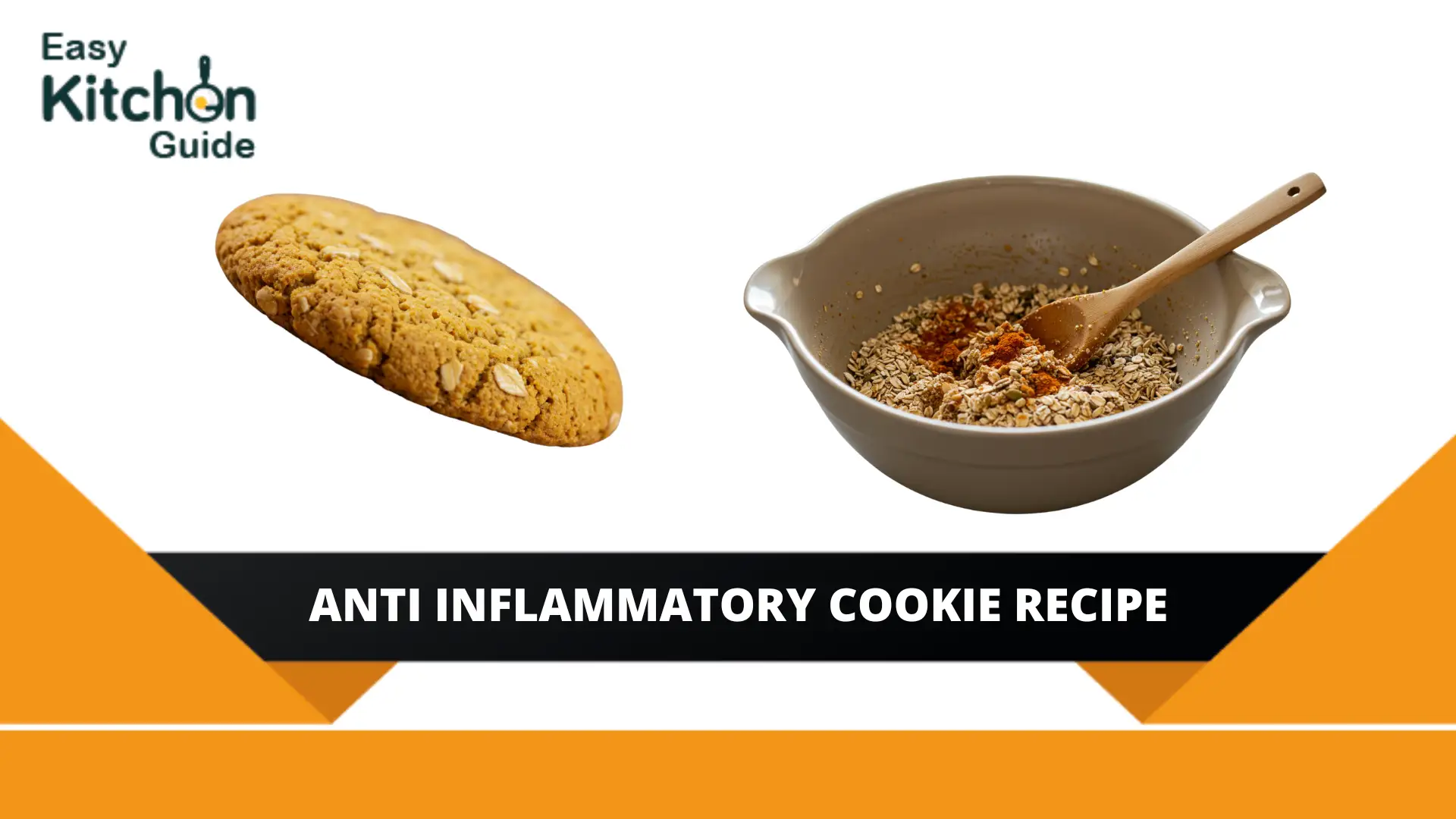
Looking for a sweet treat that’s as nourishing as it is delicious? Anti-inflammatory cookies are the perfect answer! Packed with wholesome ingredients, these cookies are designed to satisfy your cravings while supporting your health and well-being.
What Are Anti-Inflammatory Cookies?
Table of Contents,
Anti-inflammatory cookies are delicious baked treats made with ingredients that help reduce inflammation in the body. Unlike traditional cookies loaded with refined sugars and flours, these cookies use wholesome, nutrient-rich foods such as:
- Turmeric, ginger, and cinnamon
- Oats, almond flour, or other whole-grain flours
- Nuts and seeds
- Natural sweeteners like honey or coconut sugar
These cookies are designed to fit into a variety of diets, including gluten-free, dairy-free, vegan, and paleo, making them a tasty and health-conscious choice for everyone.
Why Choose Anti-Inflammatory Ingredients?
Choosing anti-inflammatory ingredients isn’t just about following a trend-it’s about making smarter choices for your long-term health. Here’s why you should consider them:
- Reduce chronic inflammation: Spices and whole foods can help lower inflammation in the body, which is linked to many chronic diseases.
- Support digestive health: Ingredients like oats, nuts, and seeds are high in fiber, which supports a healthy gut.
- Lower risk of disease: Anti-inflammatory diets can help reduce the risk of heart disease, diabetes, and certain cancers.
- Allergy-friendly: Many anti-inflammatory recipes avoid common allergens, making them accessible for those with sensitivities.
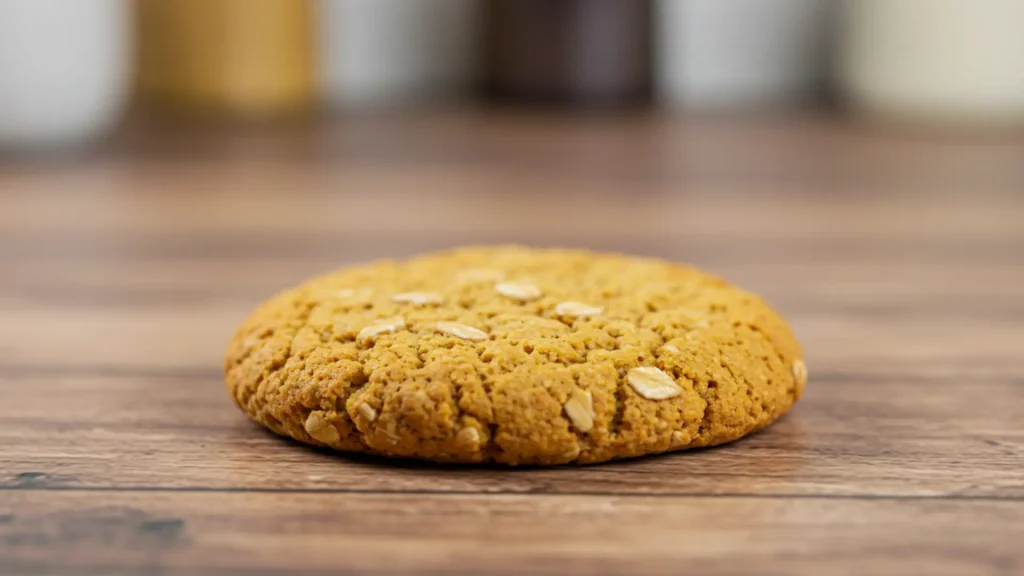
Health Benefits of Anti-Inflammatory Cookies
Anti-inflammatory cookies aren’t just a healthier treat-they offer real wellness benefits:
- Pain and swelling relief: Ingredients like turmeric and ginger have natural compounds that help reduce pain and swelling.
- Rich in antioxidants: Many spices and whole foods in these cookies are packed with antioxidants to protect your cells.
- Better blood sugar balance: Using whole grains and natural sweeteners helps prevent blood sugar spikes and crashes.
- Nutrient-dense: These cookies are full of vitamins, minerals, and healthy fats that support your overall health.
- Gut health: The fiber and plant-based ingredients nourish your gut microbiome, which is key for immune health and inflammation control.
In short, anti-inflammatory cookies are a delicious way to enjoy a treat while giving your body the nutrients it needs to thrive!
Key Ingredients for Anti-Inflammatory Cookies
Top Anti-Inflammatory Foods for Baking
Choosing the right ingredients is essential for creating cookies that taste amazing and help support your wellness goals. Here are some of the best anti-inflammatory foods to include in your baking:
Turmeric
- Contains natural compounds that help calm inflammation in the body.
- Adds a subtle earthy flavor and a beautiful golden color to your cookies.
- Pairs well with other warm spices for a unique twist
Ginger
- Known for its soothing properties and spicy, aromatic flavor.
- Supports digestion and adds a gentle heat to baked goods.
- Blends seamlessly with sweet and nutty flavors.
Cinnamon
- Brings warmth and natural sweetness to cookies.
- Packed with antioxidants that help protect your body’s cells.
- Balances blood sugar and enhances the overall flavor profile.
Almond Flour and Oats
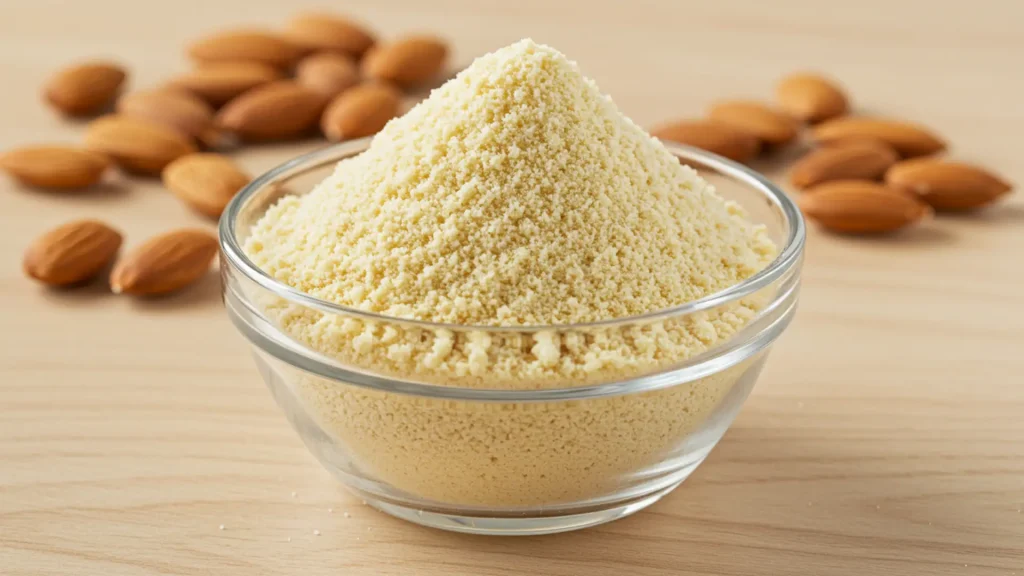
- Almond flour is rich in healthy fats and vitamin E, making cookies moist and tender.
- Oats are full of fiber and nutrients, supporting gut health and providing a hearty texture.
- Both are excellent for gluten-free baking and add a satisfying bite.
Coconut and Healthy Fats
- Coconut oil, shredded coconut, or coconut flour provide healthy fats and a subtle tropical taste.
- Healthy fats help your body absorb nutrients and keep you feeling fuller longer.
- Add richness and softness to your cookies without dairy.
Natural Sweeteners (Honey, Coconut Sugar, Bananas)
- Honey and coconut sugar offer gentle sweetness and extra antioxidants.
- Mashed bananas naturally sweeten and add moisture, reducing the need for added sugars.
- These options help keep your cookies wholesome and lower on the glycemic index.
Mixing and matching these ingredients lets you create cookies that are not only delicious but also nourishing and supportive of your anti-inflammatory lifestyle.

Ingredient Substitutions for Dietary Needs
Creating anti-inflammatory cookies that fit a variety of dietary needs is easy with the right ingredient swaps. Here are some simple substitutions to make your cookies gluten-free, vegan, dairy-free, or nut-free:
Gluten-Free Options
- Use almond flour, oat flour, or coconut flour instead of wheat flour.
- Cassava flour is another great gluten-free choice that works well in many cookie recipes.
- Always check that oats are labeled gluten-free if you’re sensitive to gluten.
Vegan and Dairy-Free Swaps
- Replace eggs with flaxseed meal or chia seeds mixed with water (1 tablespoon of ground flax or chia seeds + 2.5 tablespoons water = 1 egg). Let it sit until it forms a gel-like texture.
- Use coconut oil, olive oil, or vegan margarine instead of butter.
- Swap honey for maple syrup or agave nectar for a fully vegan cookie.
- Unsweetened applesauce or mashed bananas can also replace eggs and add moisture.
Nut-Free Alternatives
- Choose seed flours like sunflower seed flour or pumpkin seed flour instead of almond flour.
- Use coconut flour or oat flour for a nut-free base.
- If the recipe calls for nut butters, substitute with sunflower seed butter or tahini.
- Always double-check all ingredients to ensure they are processed in a nut-free facility if you have severe allergies.
With these substitutions, you can customize your anti-inflammatory cookies to suit nearly any dietary preference or restriction-without sacrificing flavor or texture.
Step-by-Step Anti-Inflammatory Cookie Recipe
Equipment and Tools Needed
Before you start baking, gather the following equipment to make the process smooth and easy:
- Mixing bowls (one large, one medium)
- Measuring cups and spoons
- Whisk or electric hand mixer
- Rubber spatula or wooden spoon
- Baking sheet
- Parchment paper or silicone baking mat
- Cooling rack
- Cookie scoop or tablespoon (for portioning dough)
Ingredient List with Measurements
Here’s a basic anti-inflammatory cookie recipe that’s both delicious and versatile. Feel free to adjust based on your dietary needs and preferences!
Dry Ingredients:
- 1 cup almond flour (or oat flour for nut-free)
- 1 cup rolled oats (certified gluten-free if needed)
- 1 teaspoon ground turmeric
- 1 teaspoon ground cinnamon
- ½ teaspoon ground ginger
- ½ teaspoon baking soda
- ¼ teaspoon sea salt
Wet Ingredients:
- ⅓ cup coconut oil, melted (or olive oil)
- ⅓ cup honey or maple syrup (for vegan option)
- 1 teaspoon vanilla extract
- 1 large egg (or flaxseed egg for vegan: 1 tbsp ground flaxseed + 2.5 tbsp water, mixed and set aside)
Add-Ins (Optional, for extra flavor and nutrition):
- ⅓ cup chopped walnuts or pumpkin seeds
- ¼ cup unsweetened shredded coconut
- ¼ cup raisins, chopped dates, or dark chocolate chips
- 1 small ripe banana, mashed (for extra moisture and sweetness)
With these ingredients and tools ready, you’re all set to create a batch of nourishing, anti-inflammatory cookies!
Preparation and Mixing Instructions
Follow these simple steps to bring your anti-inflammatory cookies to life:
- Preheat the Oven:
Preheat your oven to 350°F (175°C). Line a baking sheet with parchment paper or a silicone baking mat. - Prepare the Flaxseed Egg (if vegan):
If using a flaxseed egg, mix 1 tablespoon ground flaxseed with 2.5 tablespoons water in a small bowl. Let it sit for 5 minutes to thicken. - Mix Dry Ingredients:
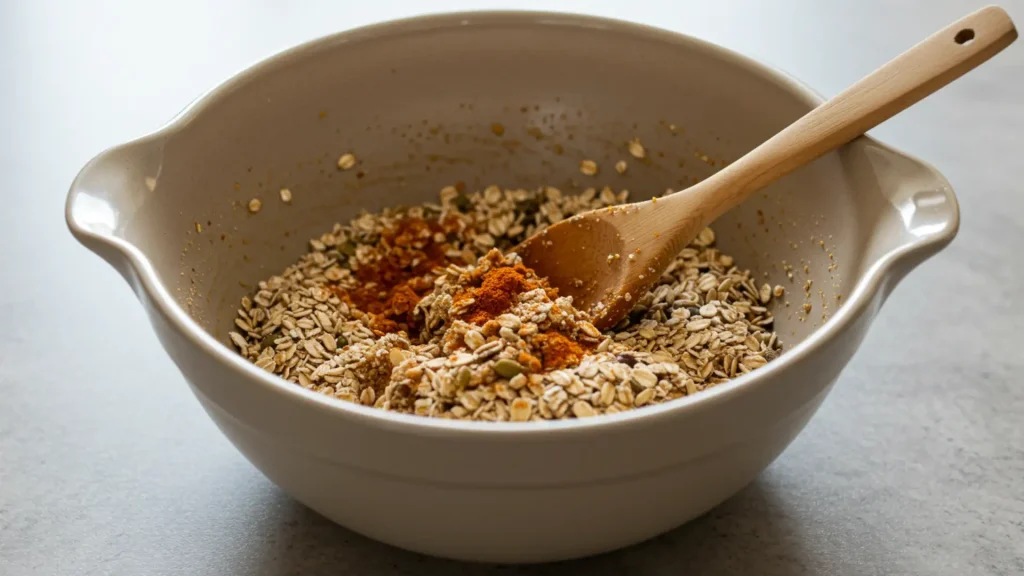
In a large mixing bowl, combine almond flour, rolled oats, turmeric, cinnamon, ginger, baking soda, and sea salt. Stir well to evenly distribute the spices. - Combine Wet Ingredients:
In a separate bowl, whisk together the melted coconut oil, honey or maple syrup, vanilla extract, and egg (or flaxseed egg). If using mashed banana, add it here. - Combine Wet and Dry Mixtures:
Pour the wet ingredients into the bowl with the dry ingredients. Stir with a spatula or wooden spoon until just combined. - Add Optional Mix-Ins:
Gently fold in any add-ins like nuts, seeds, coconut, dried fruit, or chocolate chips. - Portion the Dough:
Use a cookie scoop or tablespoon to drop dough onto the prepared baking sheet, spacing them about 2 inches apart. Flatten each cookie slightly with the back of the scoop or your hand.
Baking Tips for Perfect Cookies
- Don’t Overmix: Stir the dough just until combined to keep cookies tender.
- Uniform Size: Use a cookie scoop for evenly sized cookies that bake consistently.
- Watch the Bake Time: Bake for 10–12 minutes, or until edges are golden and centers look just set. Cookies will firm up as they cool.
- Cool Properly: Let cookies cool on the baking sheet for 5 minutes before transferring to a wire rack. This helps them hold together and develop the best texture.
- Customize Texture: For chewier cookies, slightly underbake. For crispier cookies, bake a minute or two longer.
Storage and Shelf Life
- Room Temperature: Store cooled cookies in an airtight container at room temperature for up to 4 days.
- Refrigeration: For longer freshness, keep cookies in the fridge for up to 1 week.
- Freezing: Freeze cookies in a single layer in a freezer-safe bag or container for up to 2 months. Thaw at room temperature before enjoying.
- Tip: Place a slice of apple or bread in the container to help keep cookies soft and moist.
With these steps, tips, and storage methods, you can enjoy fresh, flavorful anti-inflammatory cookies anytime!
Nutritional Information and Health Insights
Macronutrient Breakdown (Calories, Protein, Carbs, Fats)
Anti-inflammatory cookies made with wholesome ingredients like oats, almond meal, bananas, and healthy fats typically offer a balanced macronutrient profile. On average, per serving (about one cookie), you can expect:
- Calories: Approximately 90–110 kcal
- Protein: 4.5g per cookie
- Carbohydrates: 16.9g per cookie
- Sugars: 8.4g per cookie
- Fat: 8.8g per cookie
- Saturated Fat: 1.0g per cookie
- Fiber: 3.0g per cookie
These values are based on a standard anti-inflammatory cookie recipe and may vary depending on the specific ingredients and portion sizes used.
Fiber, Antioxidants, and Other Key Nutrients
Anti-inflammatory cookies stand out for their high content of fiber, antioxidants, and essential nutrients:
- Fiber: With about 3g per serving, these cookies support digestive health and help you feel full longer.
- Antioxidants: Ingredients like turmeric, ginger, cinnamon, and oats are rich in antioxidants, which help protect your cells from oxidative stress and inflammation.
- Vitamins & Minerals: These cookies provide a range of nutrients, including vitamin E (from almond meal), potassium (from bananas), magnesium, and iron. Dried fruits and seeds can further boost the vitamin and mineral content.
- Healthy Fats: The use of coconut oil or other plant-based fats adds beneficial monounsaturated and polyunsaturated fats that support heart health.
How These Cookies Fit Into an Anti-Inflammatory Diet
Anti-inflammatory cookies are designed to align perfectly with an anti-inflammatory diet by:
- Emphasizing Whole Foods: They use minimally processed ingredients such as oats, almond meal, spices, and natural sweeteners, which are staples of an anti-inflammatory eating pattern.
- Reducing Refined Carbohydrates: Unlike conventional cookies, these recipes avoid white flour and refined sugars, both of which can promote inflammation.
- Incorporating Anti-Inflammatory Spices: Turmeric, ginger, and cinnamon are well-known for their inflammation-fighting properties and are key components of these cookies.
- Providing Healthy Fats and Fiber: The inclusion of nuts, seeds, and coconut supports heart health and helps regulate the body’s inflammatory response.
- Supporting Overall Wellness: With their nutrient-dense profile, these cookies can be enjoyed as a smart snack or dessert that fits seamlessly into a balanced, anti-inflammatory lifestyle.
By choosing anti-inflammatory cookies, you’re not only satisfying your sweet tooth but also nourishing your body with ingredients that help fight inflammation and promote long-term health.
Variations and Creative Add-Ins
Chocolate Chip Anti-Inflammatory Cookies
Who says you can’t enjoy chocolate while eating anti-inflammatory? For a classic twist, simply add dark chocolate chips (at least 70% cacao) to your cookie dough. Dark chocolate is rich in antioxidants and can offer anti-inflammatory benefits when enjoyed in moderation.
How to add:
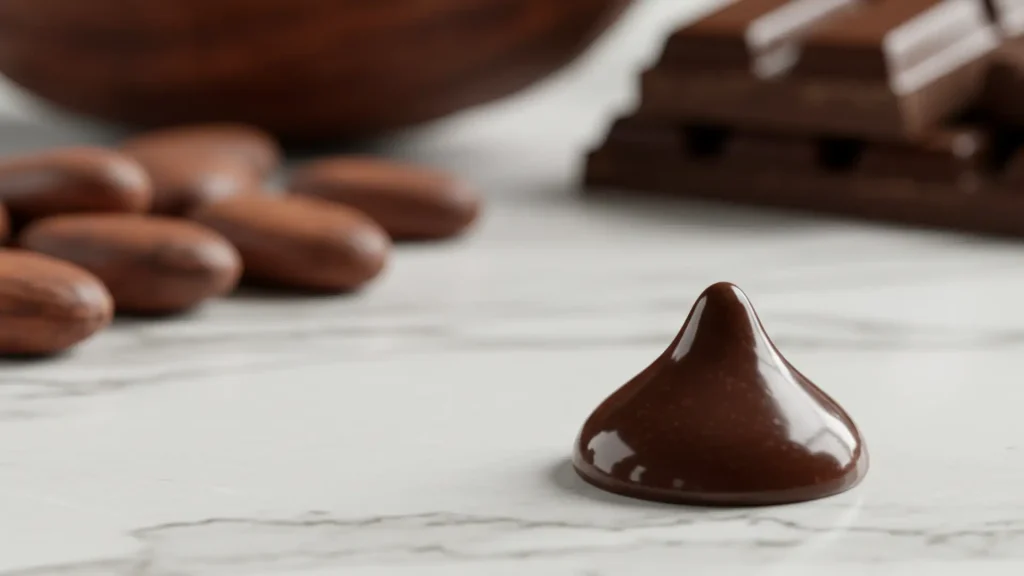
- Stir in 1/3 cup dark chocolate chips to your dough before baking.
- For extra flavor, add a pinch of flaky sea salt on top before baking.
- You can also use cacao nibs for a less sweet, more nutrient-dense option.
Nut-Free and Coconut-Free Versions
If you have allergies or dietary preferences, you can still enjoy these cookies with a few simple swaps:
Nut-Free Options:
- Use oat flour, sunflower seed flour, or pumpkin seed flour instead of almond flour.
- Replace nut butters with sunflower seed butter or tahini.
- Omit any chopped nuts and use seeds (like pumpkin or sunflower) for crunch.
Coconut-Free Options:
- Substitute coconut oil with olive oil or avocado oil.
- Use applesauce or mashed banana in place of shredded coconut for moisture.
- Choose a different plant-based milk (like oat or rice milk) if your recipe calls for coconut milk.
These swaps keep your cookies allergy-friendly without sacrificing taste or texture.
Adding Fruits, Seeds, or Superfoods
Boost your cookies’ nutrition and flavor by mixing in some of these wholesome add-ins:
Fruits:
- Dried cranberries, raisins, chopped dates, or dried apricots add natural sweetness and chewy texture.
- Chopped fresh apples or pears can add moisture and a subtle tartness.
Seeds:
- Add 2–3 tablespoons of chia seeds, flaxseeds, or hemp seeds for extra fiber, omega-3s, and crunch.
- Pumpkin or sunflower seeds offer a nutty flavor and added nutrients.
Superfoods:
- Stir in a tablespoon of ground flaxseed or chia seeds for extra nutrition.
- Add a scoop of collagen peptides or plant-based protein powder for a protein boost.
- Sprinkle in some matcha powder or spirulina for a unique flavor and antioxidant kick.
Feel free to mix and match these variations to create your perfect batch of anti-inflammatory cookies-customized just the way you like them!
Frequently Asked Questions (FAQ)
Absolutely! Once the cookies have cooled completely, place them in a single layer on a baking sheet to freeze. After they’re frozen, transfer them to a freezer-safe bag or container. They’ll keep for up to 2 months. Simply thaw at room temperature or warm in the oven before enjoying.
Yes, these cookies are a great snack for kids! They’re made with wholesome, natural ingredients and are free from artificial additives. You can even reduce the spices a bit if your child prefers a milder flavor.
For crispier cookies, flatten the dough more and bake for an extra 2–3 minutes. For chewier cookies, slightly underbake them and use more oats or mashed banana in the dough.
4. Can I use different spices or flavors?
Definitely! Feel free to experiment with other anti-inflammatory spices like cardamom or cloves. You can also add vanilla extract, orange zest, or even a sprinkle of black pepper to enhance the flavor profile.
Store your cookies in an airtight container at room temperature for up to 4 days, or in the fridge for up to a week. For longer storage, freeze them as described above. Adding a slice of apple or bread to the container can help keep the cookies soft and fresh.